


 237
237
Saudi, Iraqi, and Libyan energy ministers discuss global market stability
OPEC+ has an existing plan to gradually increase oil output starting in April, reversing earlier production cuts
Saudi Energy Minister Prince Abdulaziz bin Salman met with his Iraqi and Libyan counterparts, Hayan Abdel-Ghani and Khalifa Abdulsadek, in Riyadh on Monday to discuss efforts to stabilize global energy markets, according to the Saudi Press Agency (SPA).
The OPEC+ alliance, which includes the Saudi-led Organization of the Petroleum Exporting Countries and its allies, such as Russia, is scheduled to hold a meeting of its Joint Ministerial Monitoring Committee (JMMC) on February 3.
Meanwhile, U.S. President Donald Trump has called on Saudi Arabia and OPEC to lower oil prices, suggesting that such a move could help bring an end to the war in Ukraine. OPEC+ has yet to respond to Trump’s comments.
The group has an existing plan to gradually increase oil output starting in April, reversing earlier production cuts. However, the implementation of this plan had been delayed multiple times due to weak demand.
Addressing Trump’s remarks, Saudi Economy Minister Faisal al-Ibrahim stated during a panel at the World Economic Forum in Davos that Saudi Arabia and OPEC remain committed to ensuring long-term stability in the oil market.
More From “Life in Gulf”

Saudi Arabia is still assessing BRICS membership
163

Oman and Bahrain sign 25 agreements, MoUs and executive programmes
160

Bahrain’s debt reaches $48bln, but expert minimizes concerns over spending cuts
270
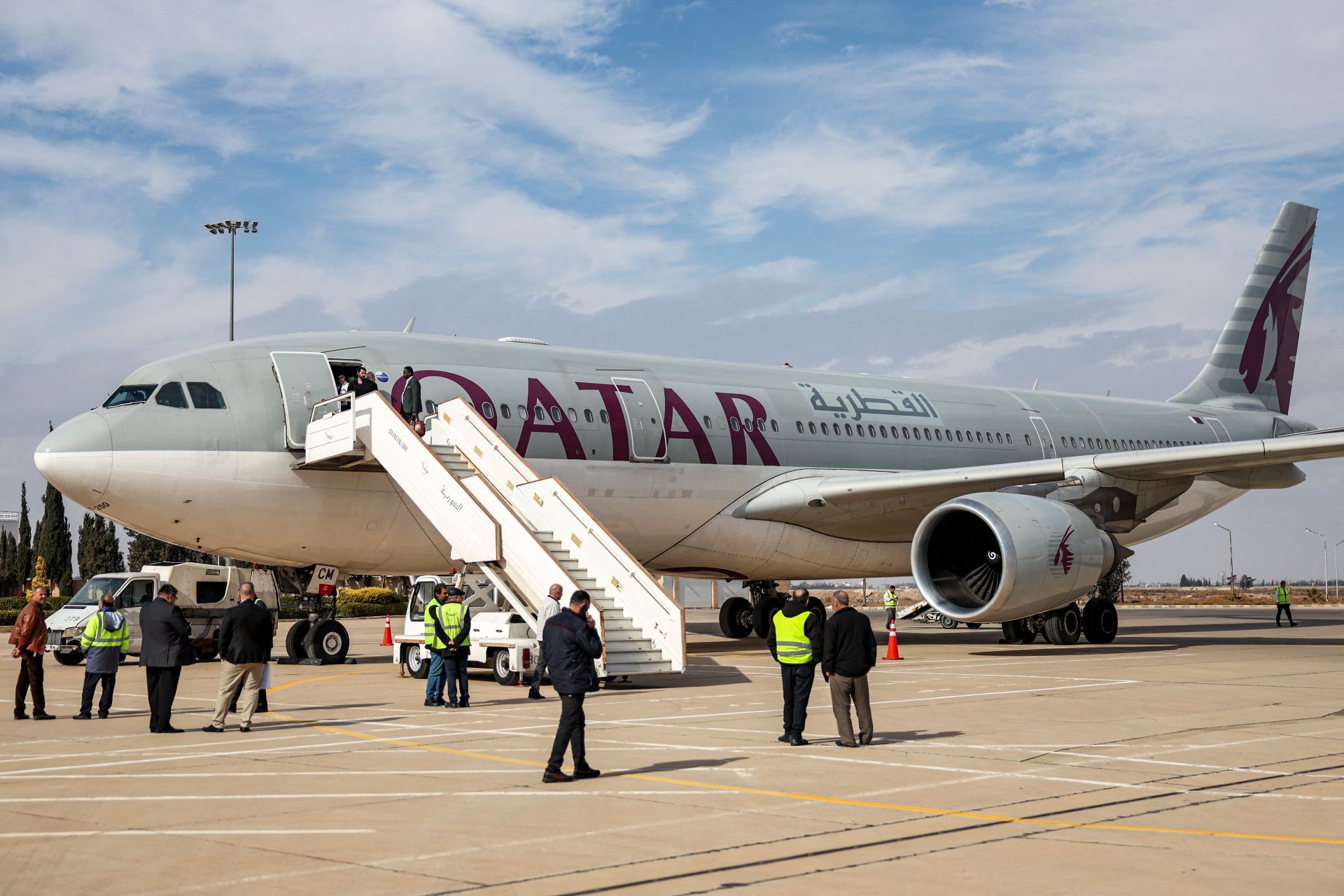
Qatari minister arrived in Damascus on first Qatar Airways flight since Assad’s fall
208

UAE and Saudi Arabia set to emerge as global trade ‘super-connector hubs’
255

How New Year is celebrated in UAE?
296
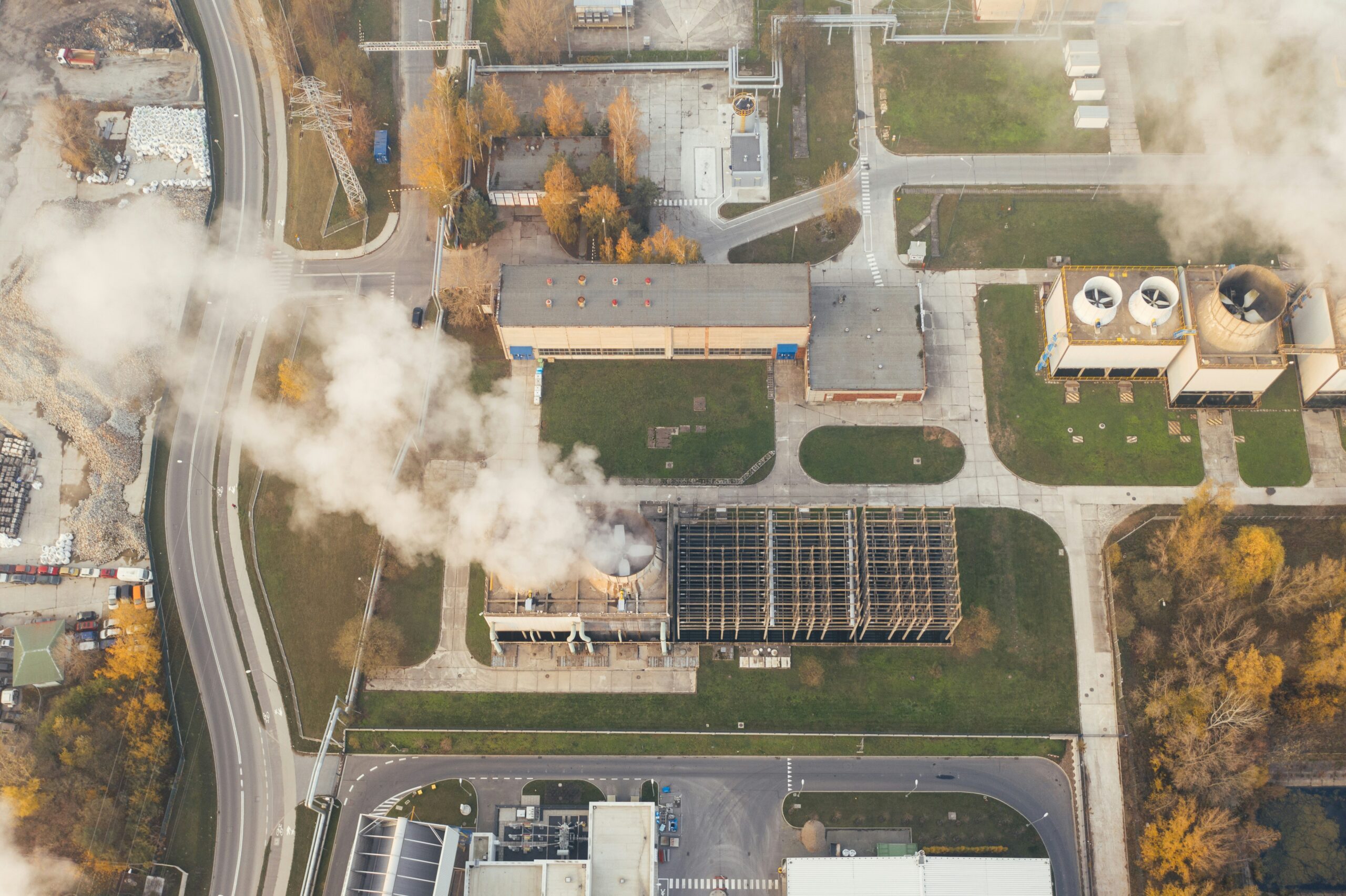
UAE business will track and report carbon emissions
191

UAE’s non-oil sector business activity hits 9-month high
202
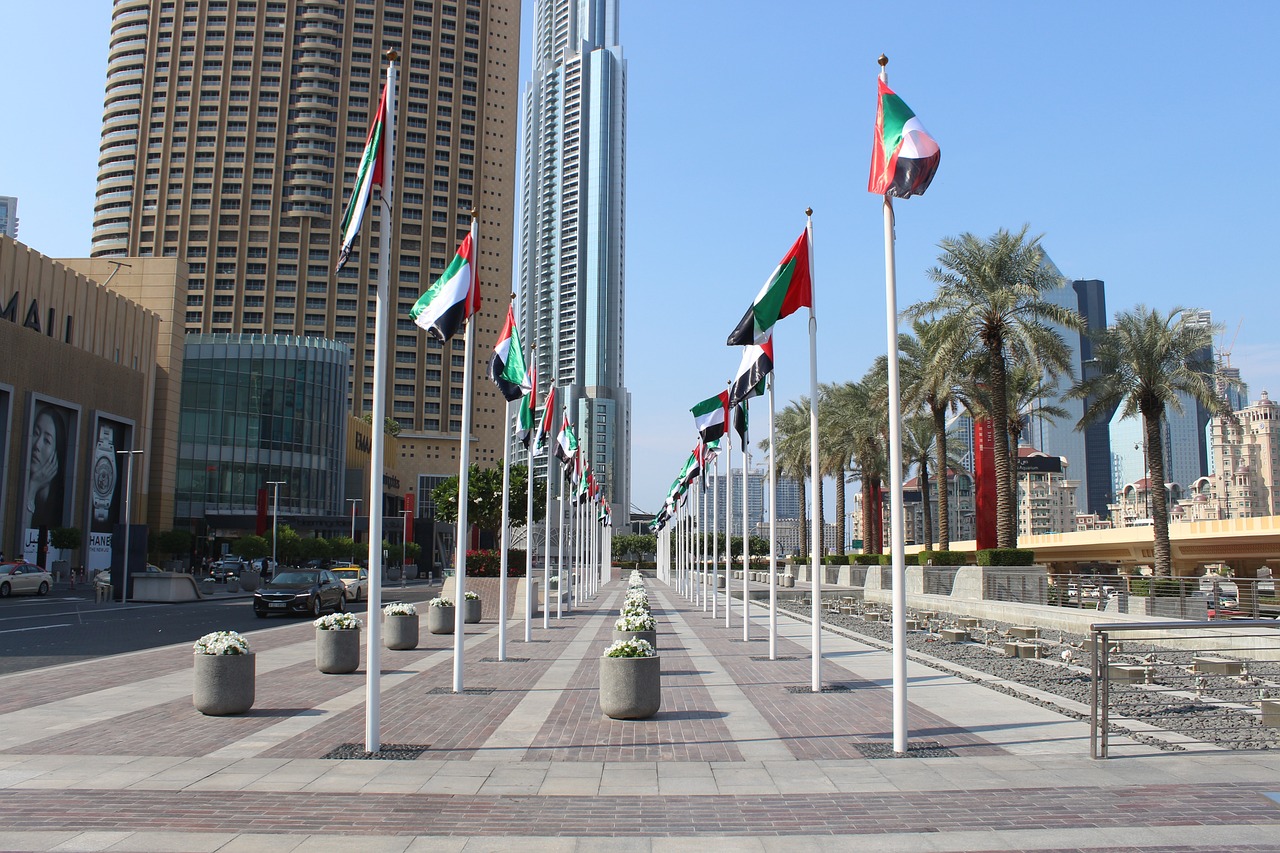
UAE embassy in Beirut is to reopen
176
Qatar wants to invest in Syrian sectors including energy
220

Syria’s new rulers look for GCC support to overcome economic want
171

Dubai’s Mashreq expands into Oman’s thriving banking market
232