


 206
206
Mastercard brings Crypto Credential solution to UAE
This will help make crypto transactions easier
Mastercard launched its Crypto Credential solution in the United Arab Emirates (UAE) and Kazakhstan, marking its entry into the Eastern Europe, Middle East, and Africa region.
According to the press release, this will help make crypto transactions easier by allowing users to send and receive money using simple names instead of long blockchain wallet addresses. It confirms the identities of both the sender and the receiver. After a user is verified, they get a special name to help make transfers safe.
The system also checks if the wallets can work together before finishing any transaction, which lowers the chance of mistakes or losing money.
Gaurang Shah, Mastercard’s Executive Vice President and Head of Core Payments for EEMEA, emphasized the significance of the program.
«As the cryptocurrency landscape continues to mature, we’ve been laser-focused on developing innovative services and capabilities that help make crypto more accessible and secure,» Shah said. «In bringing Mastercard Crypto Credential to the EEMEA region, we’re delivering on our vision to increase and instil trust in blockchain technology.»
Some companies in the crypto industry, like CoinMENA, ATAIX Eurasia, Intebix, and Fuze, are already working together with Mastercard to start this initiative in the area.
More From “Investments”
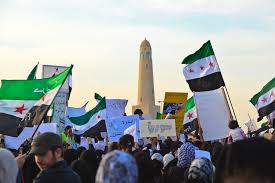
Qatar wants to invest in Syrian sectors including energy
219
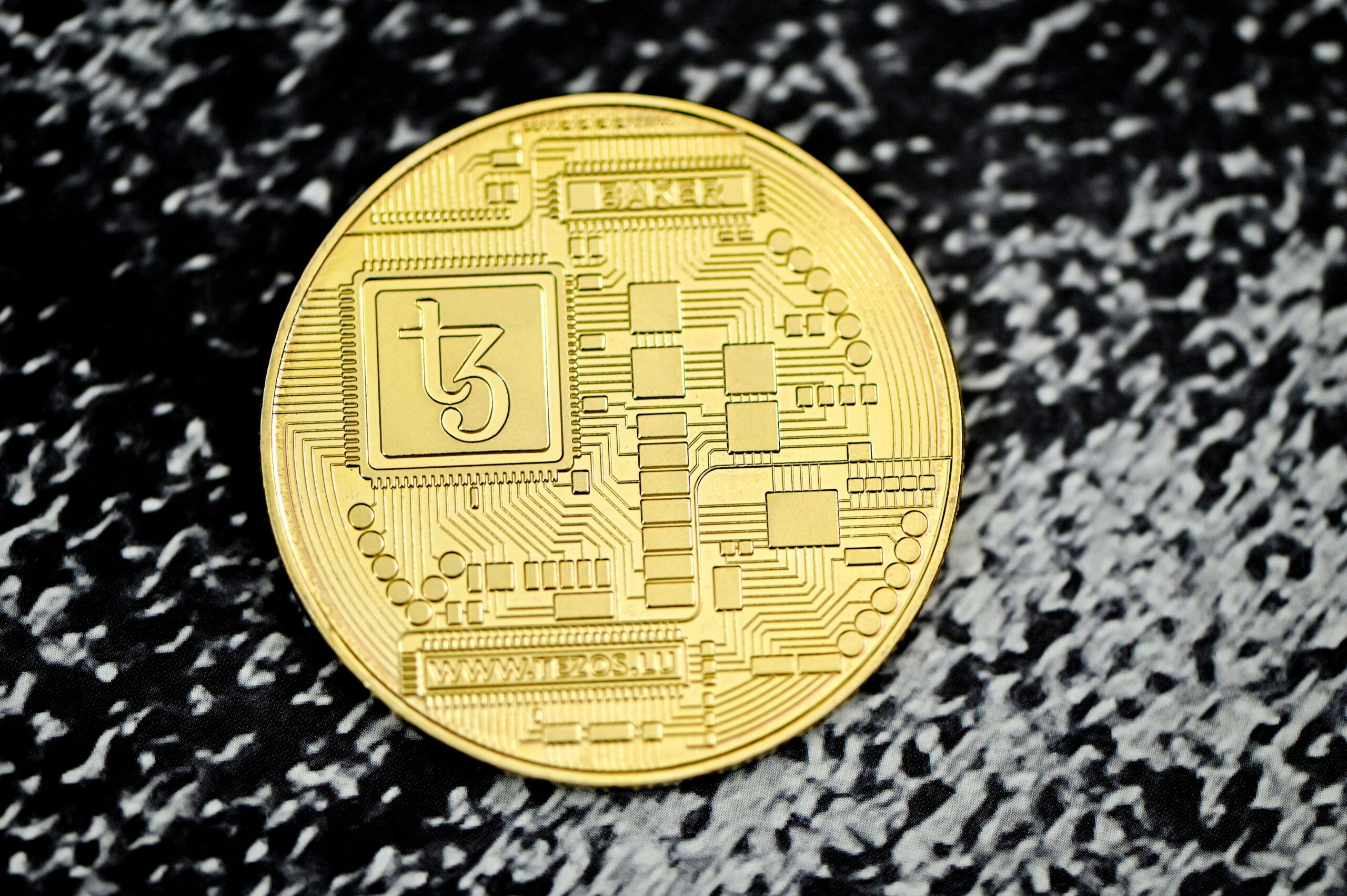
UAE’s Phoenix Group launches US crypto mining facility
229
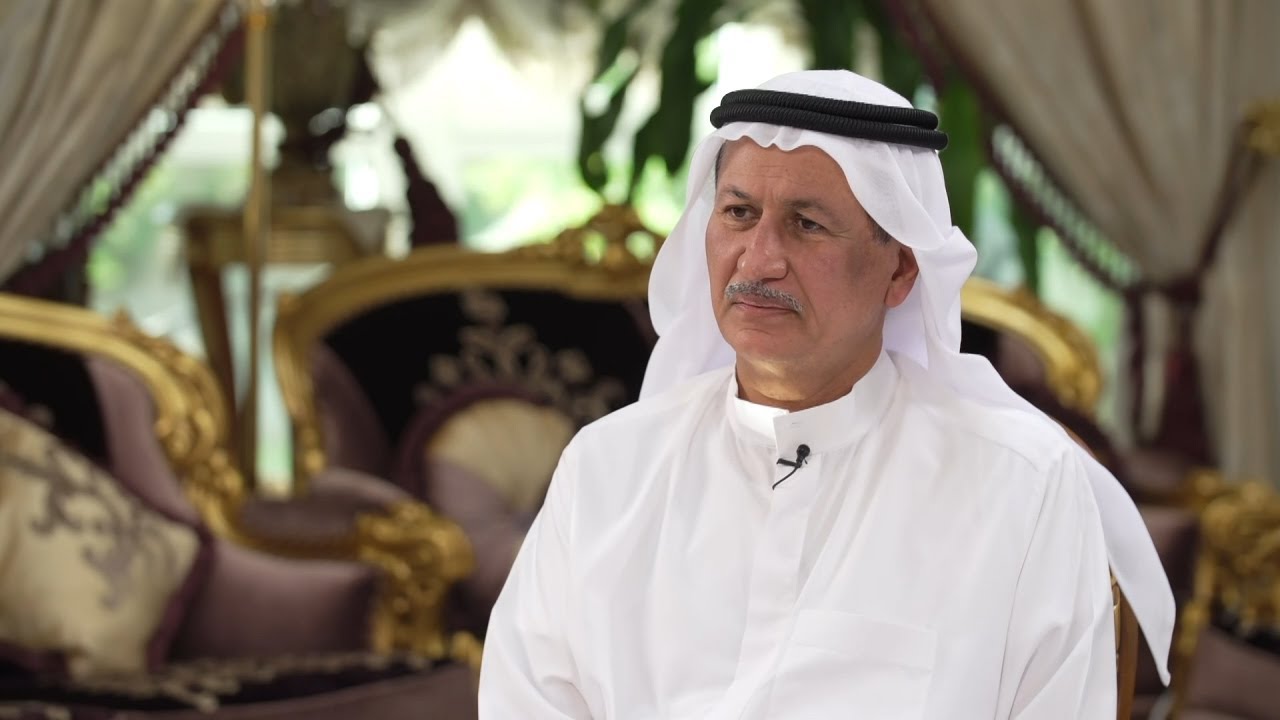
Emirati billionaire sees more Gulf investments into US under Trump
166
Fitch: GCC debt capital market hits $1 trillion
234
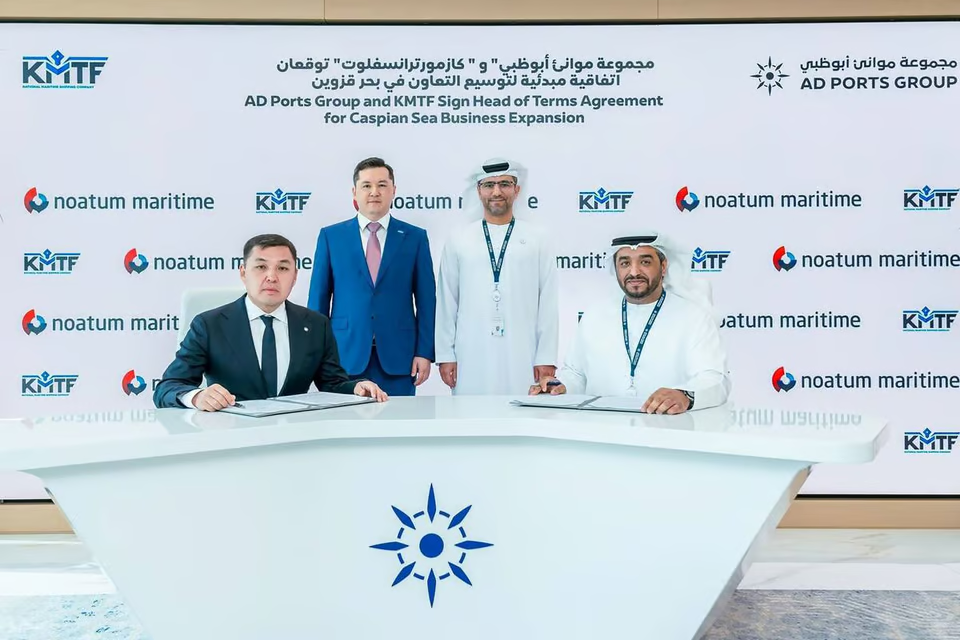
UAE to expand operations in Kazakhstan following $30mln investment
217

Dubai’s Majid Al Futtaim closed Carrefour in Oman
224

UAE’s non-oil sector business activity hits 9-month high
201

Kuwait moves toward potential $65 billion bond issuance
203

Egypt secures 1.27mln tons of wheat supply for 2025
230

Saudi Arabia commited $500mln aid to stabilize Yemen’s economy
223

Kuwait equities lead GCC Markets on banking gains and energy deals
189

GCC: Investors are less attracted by oil and gas and more by future growth
187