


 377
377
Bahrain’s debt reaches $48bln, but expert minimizes concerns over spending cuts
Non-oil activity driving GDP growth
Bahrain’s public debt has reached nearly BHD18 billion ($48 billion), as reported by its Ministry of Finance. However, a banking expert has downplayed concerns regarding the country’s spending.
As the smallest nation in the GCC with a population of around 1.5 million, Bahrain faces dwindling oil and gas reserves and is partly dependent on the Abu Safah oil field it shares with Saudi Arabia. To balance its budget, Bahrain needs an oil price of approximately $125 per barrel.
In 2023, interest payments on the country’s debt amounted to BHD843 million, according to the finance ministry.
Manpreet Gill, Chief Investment Officer for Africa, the Middle East, and Europe at Standard Chartered, stated last week that he is not worried about Bahrain’s economic viability.
«Bahrain has historically had a much higher breakeven, so I don’t think anything has changed,» Gill said during a roundtable discussion. «I wouldn’t worry excessively about it.»
The country’s economy is expected to grow by 3.5% in 2025, driven by manufacturing and private sector credit expansion, according to the International Monetary Fund (IMF).
The medium-term forecast for real GDP growth stands at around 3%, with non-hydrocarbon GDP projected to make up nearly 90% of the economy by 2029. Inflation is expected to be around 2%.
More From “Life in Gulf”

GCC urge the lifting of sanctions on Syria
399

Syria’s new rulers look for GCC support to overcome economic want
232
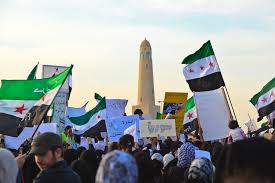
Qatar wants to invest in Syrian sectors including energy
298
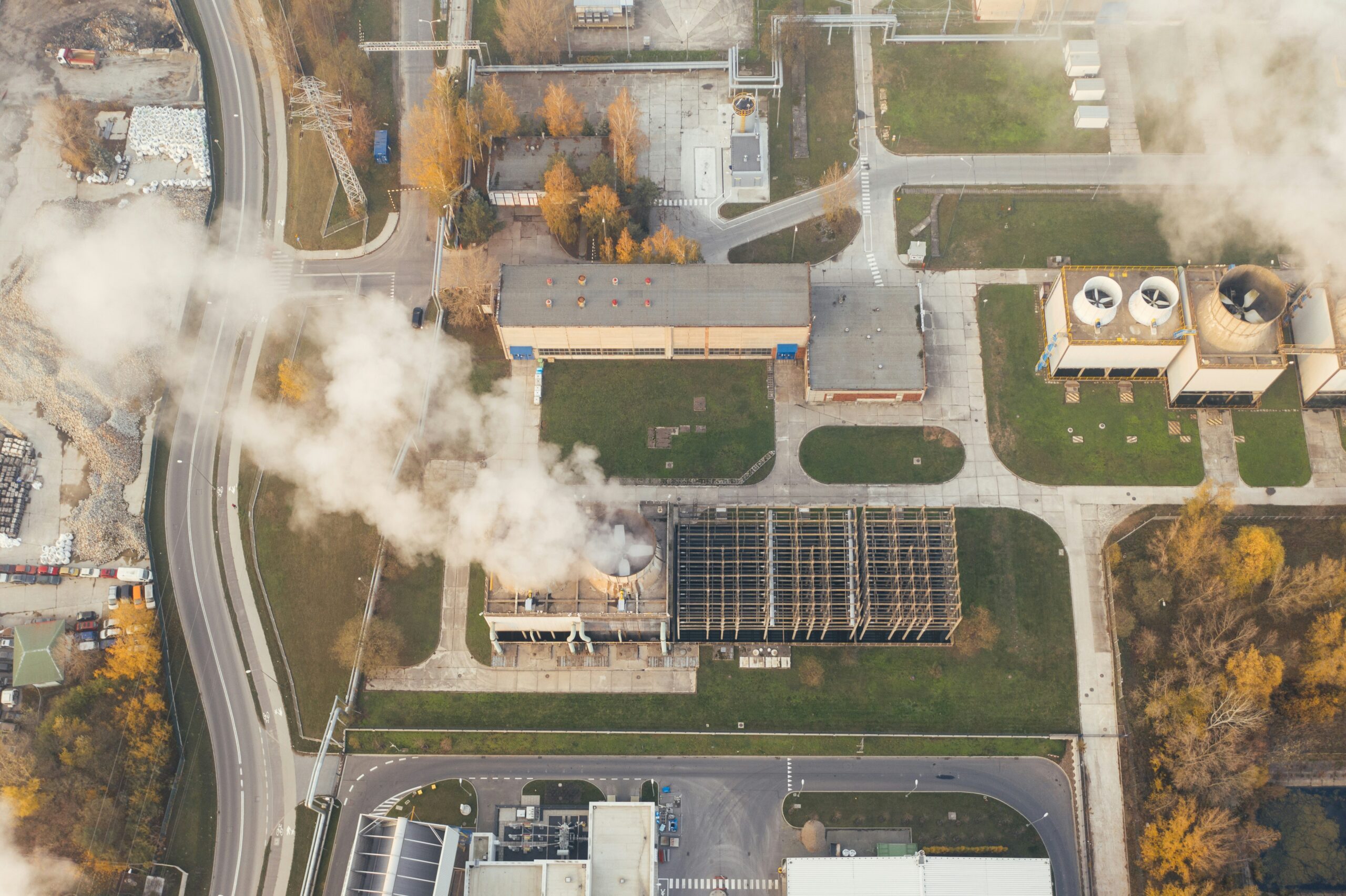
UAE business will track and report carbon emissions
246

Saudi, Iraqi, and Libyan energy ministers discuss global market stability
354
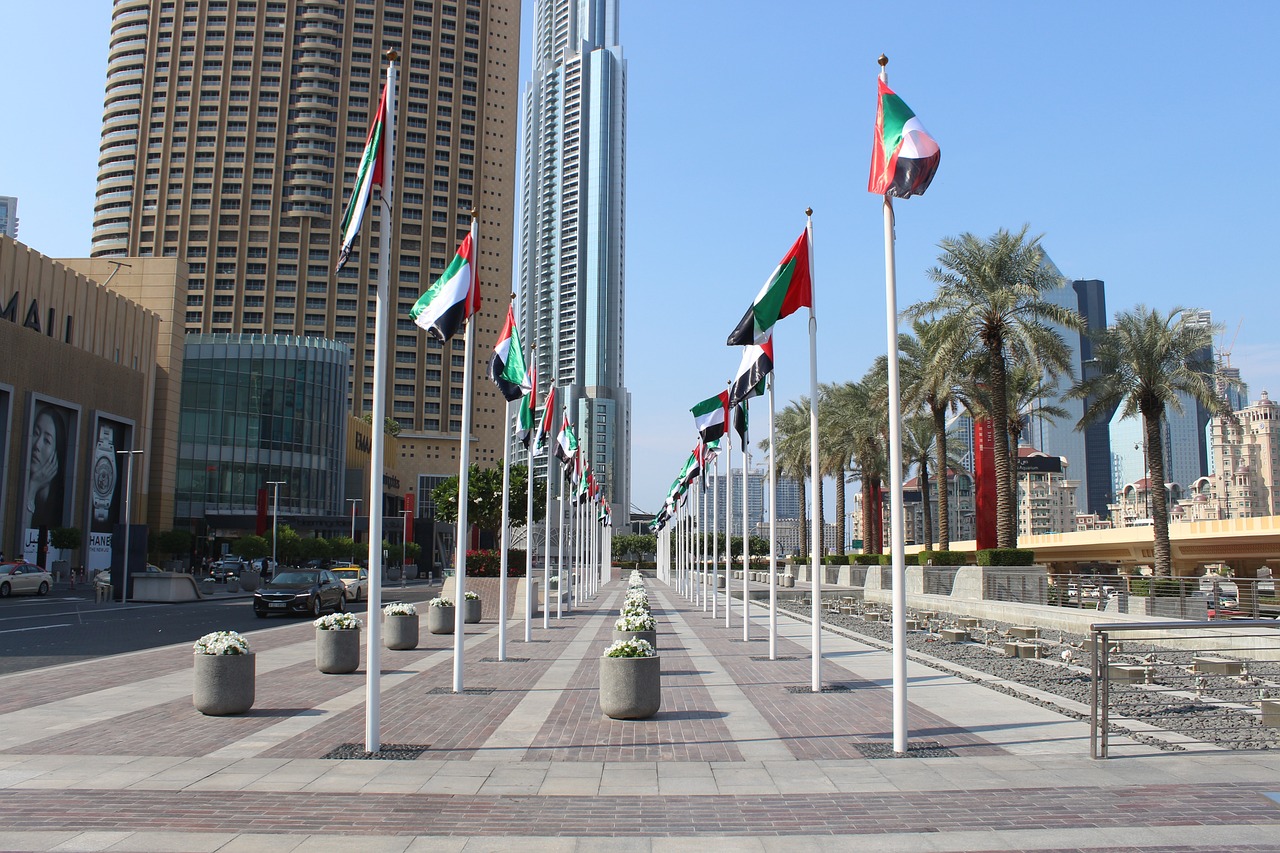
UAE embassy in Beirut is to reopen
249

Bahrain’s debt reaches $48bln, but expert minimizes concerns over spending cuts
377

UAE’s non-oil sector business activity hits 9-month high
327

UAE and Saudi Arabia set to emerge as global trade ‘super-connector hubs’
347

UAE’s DAMAC Properties to invest $20bln in US data centers
328
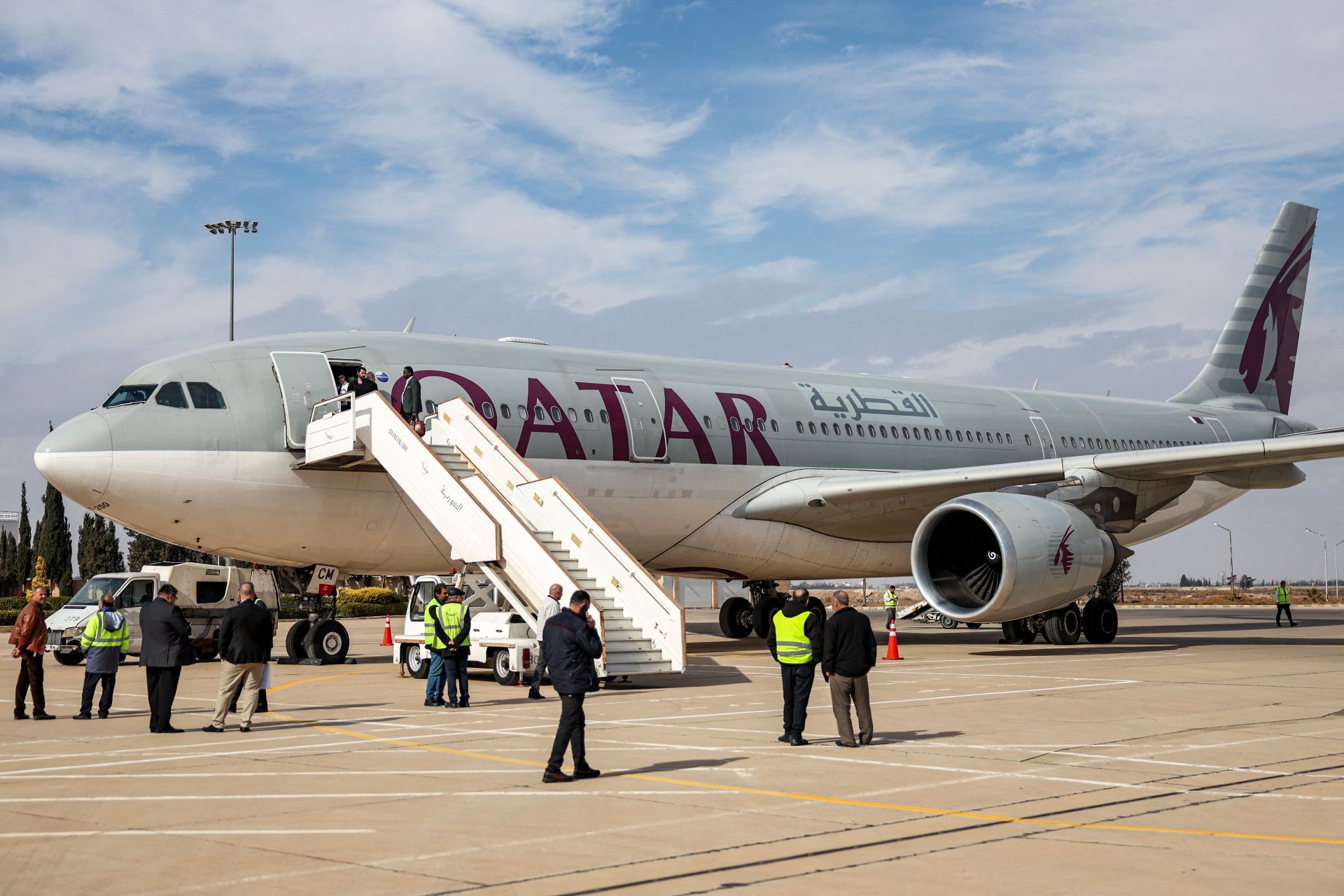
Qatari minister arrived in Damascus on first Qatar Airways flight since Assad’s fall
283

Regional challenges cost Egypt $7bln of Suez Canal revenues
353